Somebody watches their first anime. Maybe it’s Attack on Titan because a friend wouldn’t shut up about it. Maybe it’s Spirited Away on a rainy Sunday. Maybe it’s Naruto at 2 AM on Cartoon Network in 2004. Doesn’t matter which. What matters is what happens next.
Because for a certain kind of person, that first show doesn’t stay a show. It becomes a Crunchyroll subscription, then a manga shelf, then a convention badge, then a closet full of cosplay materials, then a Duolingo Japanese streak they refuse to break, then a room that looks like Akihabara threw up in it. That progression — from casual viewer to someone whose entire digital life is organized around Japanese pop culture — is weeb culture. And it’s way bigger and weirder and more interesting than outsiders think.
Not sure what “weeb” even means? Start there. This guide assumes you already know the word and want to understand the world behind it.
The Weeb Spectrum: Where Do You Land?
Not every weeb is the same weeb. The gap between “I liked that one anime” and “I have a shrine” is enormous, and the culture has informal tiers that everyone recognizes even if nobody wrote them down. Until now.
Level 1: Gateway Weeb
Discovered anime through Netflix or a friend's recommendation. Thinks it's 'pretty cool.' Still calls it 'Japanese cartoons' without realizing that's fighting words. Hasn't fallen yet, but the ground is cracking.
Level 2: Casual Weeb
Has a Crunchyroll subscription and actually uses it. Owns a hoodie or two with anime art on it. Says 'kawaii' around friends who get it. Can name their top five shows without hesitating.
Level 3: Committed
Watches seasonal anime like it's a job. Manga collection has its own bookshelf — possibly two. Has attended at least one convention. Holds strong sub vs dub opinions and will share them unprompted.
Level 4: Deep End
Imports Japanese snacks that cost more than groceries. Learning Japanese (claims it's for the culture, but it's for anime). Cosplay collection worth more than their car. Has opinions about animation studios.
Level 5: Terminal
Lives in Japan or is saving every paycheck to get there. Social media is half in Japanese. Owns figures that cost more than rent. Has transcended the need for outside validation. Might be reading this article in Japanese.
Most people in the culture sit at levels 2 and 3. The internet just makes levels 4 and 5 more visible because they’re funnier to screenshot. (Curious where you fall? Our guide to the different types of weebs maps the full landscape.)
(For a detailed breakdown of weeb meaning and types, including the origin of the word and usage examples, see our dedicated guide.)
The Gateway Anime: Everyone Has One
Every weeb has an origin story, and it almost always starts with a single show that rewired their brain. The specific show varies by generation, but the pattern is the same: you watch it expecting cartoons, you get something that hits harder than most live-action TV you’ve seen, and suddenly you need more.
Dragon Ball Z
The gateway for millennials. Taught an entire generation that screaming louder makes you stronger. Still referenced in gyms worldwide.
Naruto
Made kids believe in themselves and also run with their arms behind their backs. The filler episodes are a rite of passage — if you survived them, you earned your weeb card.
Death Note
Made every teenager feel like an intellectual for understanding moral ambiguity. The notebook scene is burned into collective weeb memory.
Attack on Titan
The show people recommend to friends who say they don't like anime. Works almost every time. Responsible for more weeb conversions than any marketing campaign.
Demon Slayer
Proved that animation quality alone can turn a good manga into a cultural event. Ufotable's budget for episode 19 probably exceeded some countries' GDP.
My Hero Academia
Superheroes but with more crying, more friendship speeches, and a power system that actually makes sense. The gateway for Gen Z.
The gateway show matters because it shapes what kind of weeb you become. Dragon Ball Z fans gravitate toward action and power scaling. Death Note fans become the ones who watch psychological thrillers and argue about morality. Demon Slayer fans develop an eye for animation quality that makes them impossible to please.
Manga vs. Anime: The Eternal Divide
Reading manga is where casual fans separate from committed ones. Anime-only viewers consume what studios produce. Manga readers know what’s coming seasons before it’s animated, and they’ll let you know about it — usually by accident, sometimes on purpose, always with an air of cultural superiority they’ve absolutely earned.
The reading experience is genuinely different. Manga pacing is controlled by the reader, not a studio’s episode count. Fight scenes that take three episodes might be ten pages. Character moments that get cut from adaptations live in the manga. And then there’s the stuff that never gets adapted at all — thousands of series that exist only on paper, some of them better than anything that’s ever been animated.
The manga-first crowd and the anime-only crowd coexist, but there’s tension. It’s the weeb version of “I read the book first.”
The Language Thing
Weebs pick up Japanese words the way a sponge picks up water: passively, constantly, and without much control over what sticks. Spend enough hours watching subtitled anime and certain words just embed themselves in your vocabulary. The problem is that anime Japanese and real Japanese overlap about as much as movie English and how people actually talk.
- Kawaii — means cute, gets applied to everything from cats to food to people. Overused to the point where it's practically an English word now.
- Baka — means stupid/idiot. How weeb friends insult each other. Somehow affectionate.
- Senpai — senior/mentor. Not a pickup line, despite what the internet thinks.
- Sugoi — means amazing/great. The first word every weeb learns after kawaii.
- Ara ara — older female character expression. If you know, you know. If you don't, stay innocent.
The gap between weeb Japanese and actual Japanese is a canyon. Anime characters speak in exaggerated, dramatic patterns that no real person uses in daily life. A weeb who walks into a Tokyo convenience store and says “Yatta!” after buying onigiri is going to get the same look you’d give someone who walked into a Walmart quoting Shakespeare.
Want to actually learn the language instead of embarrassing yourself? Our Weeb Japanese 101 guide exists for exactly this reason.
Convention Culture: The Main Event
Anime conventions are where weeb culture becomes physical. Online, it’s Discord servers and Reddit threads. At a convention, it’s 50,000 people in the same building, half of them in costume, all of them spending money they probably shouldn’t.
The big ones — Anime Expo in LA, Otakon in DC, Comiket in Tokyo — are genuinely massive events. Anime Expo regularly draws 100,000+ attendees. Comiket exceeds 500,000. These aren’t niche gatherings. They’re small cities that pop up for a weekend.
What actually happens at a convention:
The dealer’s hall is where wallets go to die. Rows and rows of booths selling figures, wall scrolls, apparel, blind boxes, art prints, plushies, and things you didn’t know you needed until you saw them. The average convention attendee spends between $200 and $500 on merchandise. Some spend much more. The dealer’s hall is designed like a casino — no windows, no clocks, and everything is shiny.
Artist alley is the heart of the creative community. Independent artists sell original work — prints, stickers, pins, zines — often featuring fan art of popular series. This is where a lot of young artists build their first audience, and the quality ranges from amateur to professional-grade work that puts official merchandise to shame.
Panels cover everything from voice actor Q&As to academic discussions about anime’s influence on Western animation. The popular ones fill up fast. The niche ones — “The Philosophy of Evangelion” or “Queer Representation in Shoujo Manga” — are often the most interesting.
Cosplay is its own subculture within the subculture. At the casual level, it’s wearing a character’s outfit and having fun. At the competitive level, it’s engineering — people build functional LED wings, articulated armor, and props that took hundreds of hours to construct. The best cosplayers are part seamstress, part sculptor, part electrician.
And then there’s the smell. Every convention veteran knows it. Thousands of people in a confined space, some of whom prioritize packing a third cosplay over packing deodorant. It’s a meme because it’s real. Conventions have started posting hygiene reminders on their websites. That’s where we are.
The Convention Economy
The money flowing through anime conventions is staggering:
- Admission: $40–$100+ for a weekend pass
- Merchandise: $200–$500 average spend per attendee
- Hotels: Split between four to six people because convention-block hotels cost $250/night
- Food: $15 convention center hot dogs that taste like regret
- Cosplay materials: $50–$2,000+ per costume, depending on ambition
- Travel: Convention-chasers fly across the country for the big ones
Multiply that across hundreds of conventions worldwide and you’re looking at an industry that moves billions annually. Anime conventions aren’t a hobby. They’re an economy.
The Merch Problem
Collecting is a core part of weeb culture, and “collecting” is doing a lot of work to make “spending addiction” sound respectable.
Anime figures are the flagship product. A standard scale figure from Good Smile Company or Alter runs $100–$300. Limited editions and large-scale statues can hit $500–$1,000+. People display them in glass cases with LED lighting like a museum exhibition, and honestly, some of the sculpting quality justifies it — these are hand-painted, highly detailed pieces.
Then there’s everything else. Wall scrolls. Keychains. Phone cases. Apparel with Japanese text the wearer may or may not be able to read. Art books. Soundtracks on vinyl. Blu-rays that cost $60 for four episodes because the Japanese pricing model is built for collectors, not casual viewers.
The merch economy isn’t frivolous. The global anime merchandise market exceeds $28 billion. It funds studios, supports artists, and keeps the industry running. But it also creates a culture where spending becomes a proxy for fandom intensity — the more you own, the more “real” your weeb credentials. That pressure is real, even if nobody says it out loud.
Weeb Memes: The Shared Language
Every culture has its inside jokes. Weeb culture has thousands, and they evolve fast. A few have become permanent fixtures:
“Anime was a mistake”
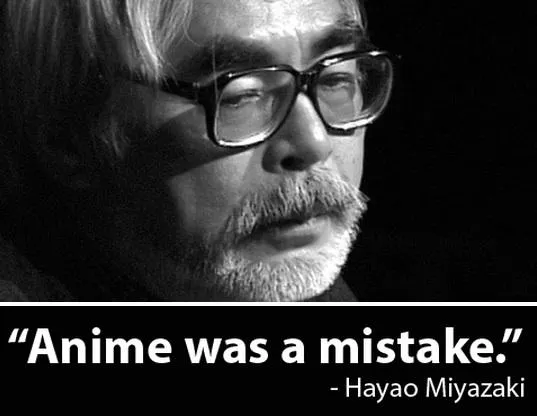
Falsely attributed to Hayao Miyazaki. He never said it. But the quote gets slapped onto screenshots of anime’s weirdest moments, and it works every time because everyone in the community has watched something that made them question everything.
“Omae wa mou shindeiru” / “Nani?!”
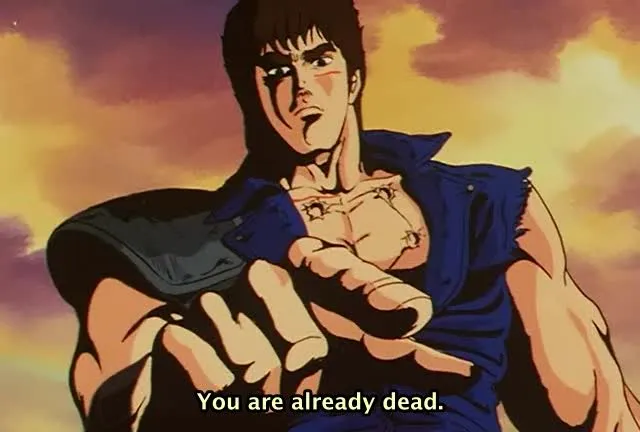
From Fist of the North Star. “You are already dead” / “What?!” Became a reaction meme for any situation where someone is about to get destroyed. Used in gaming, arguments, and group chats where someone says something confidently wrong.
Naruto Running

Arms behind the back, leaning forward, sprinting. Every weeb has done it at least once, probably in private. Peaked during the 2019 Area 51 raid event, which proved that weeb memes could mobilize hundreds of thousands of people for absolutely no reason.
Ara Ara
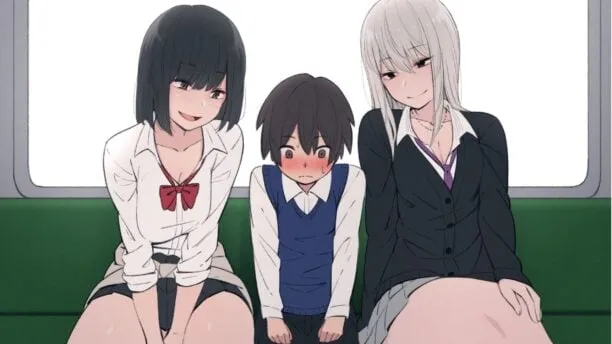
An older female character’s expression that translates roughly to “oh my.” The internet did what the internet does with it. If you know, you know.
The newer generation of memes — “POV: you have no bitches,” “least obsessed anime fan,” Genshin Impact roasts — cycle faster and hit different. TikTok accelerated meme turnover to the point where a format can go from fresh to dead in a week. The classics above have lasted because they’re simple, flexible, and universally understood within the community.
Online Weeb Spaces
Weeb culture lives primarily online, and different platforms serve different functions.
Reddit’s r/anime is the parliament. Seasonal anime get ranked, debated, and dissected with an intensity that would impress academic peer reviewers. Episode discussion threads for popular shows regularly hit thousands of comments within hours. The community has its own awards system, recommendation wikis, and an unwritten rulebook about spoilers that people take very seriously.
Discord is where the actual socializing happens. Every anime fan seems to be in at least five servers they barely talk in and one or two they check constantly. Watch parties, manga discussion channels, fan art sharing, heated arguments about which arc was the best — it all lives in Discord.
Twitter/X is the arena. Fan artists thrive there — some build full careers off anime fan art commissions. But it’s also where weeb drama explodes: leaked spoilers, bad takes about beloved series, ship wars that escalate to blocking campaigns. It’s entertaining if you’re watching. Less fun if you’re involved.
TikTok brought weeb culture to a younger audience and sped everything up. Cosplay transitions, anime edits set to trending audio, manga panel reveals — the format rewards visual punch and quick hooks, which anime content naturally provides. TikTok is where the “normie to weeb pipeline” runs fastest right now.
The Waifu/Husbando Situation
This needs addressing because it’s one of the first things outsiders notice and one of the last things they understand.
“Waifu” and “husbando” are English-ified Japanese words (themselves borrowed from English — “wife” and “husband”) that describe a fictional character someone has a strong attachment to. At the lightest level, it’s no different from having a celebrity crush. At the heavier end… it gets complicated.
Tsundere
Cold on the outside, warm on the inside. The 'I'm not doing this because I like you' type. Somehow this personality, which would be a red flag in a real person, is the most popular archetype.
Yandere
Obsessively devoted. Potentially violent about it. The 'if I can't have you, nobody can' type. Popular in fiction, terrifying in practice.
Kuudere
Emotionally distant, quiet, analytical. The 'I'll show my feelings through actions, not words' type. Appeals to every introvert who's ever thought they could fix someone.
Dandere
Shy and quiet until they open up. The 'speaks in whispers but has the deepest feelings' type. Wholesome pick.
Most waifu/husbando talk is performative — people joking around in a shared language. But the culture around it can get intense: custom merchandise, body pillows (dakimakura), spending real money on gacha games to get a specific character. The line between “having fun with a joke” and “forming a parasocial attachment to a drawing” is blurry, and different people stand on different sides of it.
Weeb Culture Around the World
The culture looks different depending on where you are.
American
Loud, convention-obsessed, dub-vs-sub civil wars. The biggest anime convention scene outside Japan. Merch spending per capita is probably highest here. Strong cosplay culture.
European
More understated about it. France is the second-largest manga market in the world — bigger than the US. Germany and Italy have massive anime followings. Convention access varies wildly by country.
Latin American
Dragon Ball Z is essentially a national sport in Mexico and Brazil. Anime fandom runs deep and predates the internet era thanks to dubbed TV broadcasts in the 1990s. Passionate, vocal, huge online communities.
Southeast Asian
Closest cultural proximity to Japan outside Japan itself. Manga and anime are mainstream, not subculture. Cosplay scenes in Thailand and the Philippines rival Japanese quality. Webtoon and manga cultures blend.
The American-centric view of weeb culture dominates English-language internet, but the global picture is much bigger. France buys more manga per capita than any country outside Japan. Latin American anime fans have been watching longer than most Western countries. The culture isn’t a Western phenomenon that happened to get big — it’s global, and always has been.
The Dark Side: When It Crosses a Line
Not everything about weeb culture is harmless fun. The community has real problems, and pretending otherwise doesn’t help anyone.
There’s a gap between loving a culture and turning it into a fantasy. Weeb culture crosses a line when Japan stops being a real place in someone’s mind and becomes an anime theme park populated by stereotypes.
The Japanophile problem. Some fans build an idealized version of Japan in their heads — a place where everyone is polite, the streets are spotless, and life plays out like a slice-of-life anime. Japan is a real country with a crushing work culture, one of the highest suicide rates in the developed world, serious issues with gender equality, and 125 million people who are just as messy and complicated as people anywhere else. Loving the culture means seeing it honestly, not through a filter.
Cultural cosplay. There’s a difference between appreciating Japanese traditions and performing them as accessories. Wearing a kimono because a Japanese friend invited you to a festival is one thing. Wearing one to prom because “anime taught me Japanese culture” is something else. The line is context, respect, and whether you’ve done any homework beyond watching Bleach. (Our pillar guide covers appreciation vs. fetishization in depth.)
Spending spirals. The merch economy rewards excess, and some people get in over their heads. When figure collecting means skipping rent, or gacha game spending hits four figures a month, the hobby has become a problem. The culture rarely talks about this because spending is celebrated as dedication.
Isolation patterns. Anime can be a rich social connector — conventions, watch parties, online communities. It can also become a substitute for real-world relationships. When someone’s entire social life is parasocial (streamers, fictional characters, anonymous forums) and they’re using anime as an escape from rather than an addition to their life, that’s worth noticing.
None of this means weeb culture is bad. It means it’s a real culture with real people, and real people sometimes take things too far. If you’re wondering whether the label itself carries baggage, we break down whether “weeb” is actually a bad word and how the community reclaimed it.
Weeb vs. Otaku vs. Weeaboo: Quick Reference
For the full otaku vs weeb comparison — cultural origins, Western vs Japanese usage, when each label applies — see our detailed breakdown. Quick version:
Weeb
- Self-aware about the obsession
- Uses the label with humor
- Knows the line between fun and cringe
- English internet term — outsider looking in
Weeaboo
- The weeb who lost self-awareness
- Still functions as a genuine insult
- Believes anime accurately represents Japan
- Same origin, but reserved for the extreme end
Otaku sits separately: a Japanese term for obsessive devotion to any hobby. Positive or neutral in Western use, mixed in Japan. More on that here.
A Normie’s Survival Guide
If you’re here because someone in your life is a weeb and you’re trying to understand them, here’s what you need to know.
Do:
- Ask about their favorite anime. They’ve been waiting for this. Clear your schedule.
- Respect the collection. That shelf of figures represents real money and genuine passion.
- Try watching something they recommend. You might actually like it. Death Note and Attack on Titan are solid entry points for non-anime-watchers.
- Treat it like any other hobby. Because that’s what it is.
Don’t:
- Call it “Chinese cartoons.” This will start a fight you don’t want.
- Ask if they watch hentai. Just… don’t.
- Touch the limited edition anything without asking.
- Say “grow up.” Their hobby generates more economic activity than yours. Probably.
- "What anime should I start with?" — They live for this question. Prepare for a 20-minute answer.
- "I saw this anime thing on TikTok..." — They'll identify it in seconds and correct everything you got wrong.
- "Is Avatar anime?" — Congratulations, you've started a 30-minute debate. Grab a snack.
Where Weeb Culture Is Headed
Anime isn’t going back underground. It can’t. Demon Slayer: Mugen Train made $504 million at the box office. Netflix spends billions on anime licensing and production. Crunchyroll has 13 million paying subscribers. Your coworkers watch anime. Your parents have seen a Miyazaki film. The mainstream absorbed the subculture, and now they’re the same thing.
That changes the culture in ways not everyone is comfortable with. Old-guard fans who built their identity around being outsiders now share their hobby with everyone. The in-group jokes land differently when the in-group is half the internet. Conventions that felt like gatherings of the faithful now feel like industry trade shows with cosplay.
But the core of it — finding stories that move you, connecting with people who love the same things, building a creative community around shared passion — that hasn’t changed. The format evolves. The energy stays.
Whether you’re Level 1 or Level 5, new to this or a decade deep, the culture has room. If you’re just getting started, our how to be a weeb guide walks you through the first steps without the cringe. Just remember: Japan is a real place, self-awareness is free, and deodorant is non-negotiable at conventions.
Frequently Asked Questions
What is weeb culture?
Weeb culture is the community and lifestyle built around a deep enthusiasm for Japanese pop culture — primarily anime, manga, and related media. It includes conventions, cosplay, merchandise collecting, online communities, meme culture, and often extends to interest in Japanese language, food, and traditions.
Is weeb culture the same as anime culture?
They overlap heavily, but weeb culture is broader. Anime culture is specifically about watching and discussing anime. Weeb culture includes anime but also covers manga, Japanese music, language learning, convention attendance, cosplay, merch collecting, and engagement with Japanese culture more generally.
Is weeb culture toxic?
Not inherently. Like any large community, it has problems — gatekeeping, spending pressure, unhealthy parasocial attachments, and occasionally fetishizing Japanese culture. But the majority of fans engage in healthy, social, creative ways. The toxicity comes from specific behaviors, not from the culture itself.
How big is weeb culture?
Massive. Anime conventions draw hundreds of thousands of attendees globally. Crunchyroll has over 13 million paid subscribers. The anime merchandise market exceeds $28 billion worldwide. Anime is the fastest-growing entertainment category on most streaming platforms.
What's the weeb lifestyle like?
It varies by intensity. Casual weebs watch anime regularly and maybe buy some merch. Dedicated fans follow seasonal releases, attend conventions, read manga, collect figures, and participate in online communities. At the deep end, it includes learning Japanese, traveling to Japan, and cosplaying.
How do I get into weeb culture?
Start watching anime — Attack on Titan, Death Note, or Demon Slayer are common entry points. Join a subreddit or Discord server. Try reading manga. Attend a local convention if there's one near you. The community is generally welcoming to newcomers, especially if you ask for recommendations.
Why do people call themselves weebs?
The word 'weeb' started as an insult but has been reclaimed by the community. Most fans use it as a self-deprecating joke or a casual identity label — similar to how 'nerd' shifted from insult to badge of honor. Calling yourself a weeb signals that you're in on the joke and part of the community.
Is weeb culture just for young people?
No. The average anime viewer is older than most people assume. Fans who grew up watching Dragon Ball Z and Naruto in the late '90s and early 2000s are now in their 30s and 40s. Convention attendance spans all ages. The culture grew up with its original audience.